MCC 5411 vs 5499: Why Two Food Stores Pay Very Different Rates
Grocery stores get some of the best interchange rates in the system. Convenience and specialty food stores don't. The line between them is one digit on your merchant account.
Your Merchant Category Code decides which interchange rates you qualify for. Here's how to find yours, what the common codes mean, and why the wrong one quietly costs you money.
ACH costs a fraction of card processing, but it's not right for every situation. Here's how to decide which payment method to push.
Leasing a terminal can cost you 10x its purchase price over a contract term. Here's what you should actually be paying for hardware.
Most merchant agreements include a clause that lets the processor increase fees at will. Here's where to find it and what to do about it.
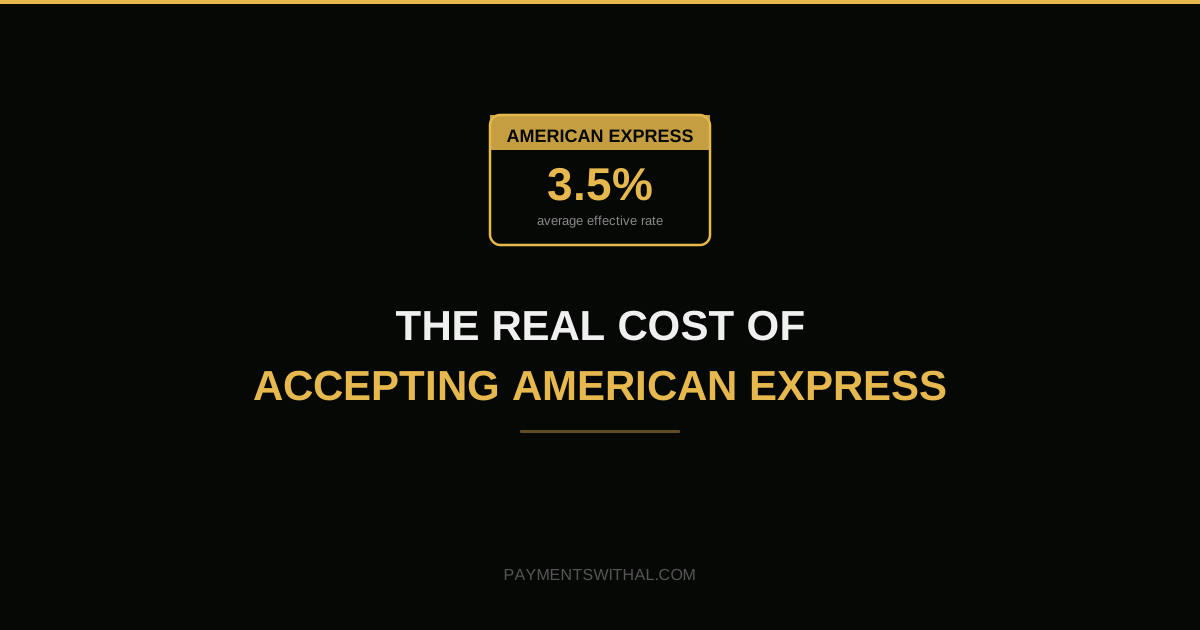
American Express has a reputation for being expensive. But the gap has narrowed, and refusing Amex might cost you more than accepting it.
The same debit card can cost you two different rates depending on whether the customer enters a PIN. Here's which is cheaper and why.
Every day you don't close your batch is a day you're paying higher interchange rates. Here's the fix.
Some processors lock you in with ETFs of $500 or more. Here's how to spot them before you sign and how to get out if you're already stuck.
Your merchant agreement isn't a take-it-or-leave-it contract. It's a first offer. Here's how to push back on the terms that cost you money.