
Not all card transactions are priced equally. The method used to capture card data — swipe, chip, tap, or manual entry — directly affects your interchange rate and your liability when fraud occurs.
Magnetic stripe (swipe): the oldest method and the most fraud-prone. Swipe transactions carry higher interchange rates because the card data can be easily copied. They also carry higher liability — if fraud occurs on a swiped transaction when a chip card was presented, the liability falls on you, the merchant.
EMV chip (dip/insert): the gold standard for in-person payments. Chip cards generate a unique cryptogram for each transaction that cannot be replicated. Interchange rates for chip transactions are typically 10-20 basis points lower than swipe on the same card. More importantly, liability for counterfeit fraud shifts to the card issuer.
Contactless NFC (tap): Apple Pay, Google Pay, and contactless cards use NFC technology with the same security level as EMV chip. Interchange rates are identical to chip transactions. Tap payments also have the lowest fraud rates of any payment method because they require biometric authentication (fingerprint, face ID) on mobile devices.
Card-not-present (online/phone): the highest-risk category. Interchange rates are 20-50+ basis points higher than card-present rates because the card cannot be physically verified. This is why online businesses typically pay more than brick-and-mortar merchants.
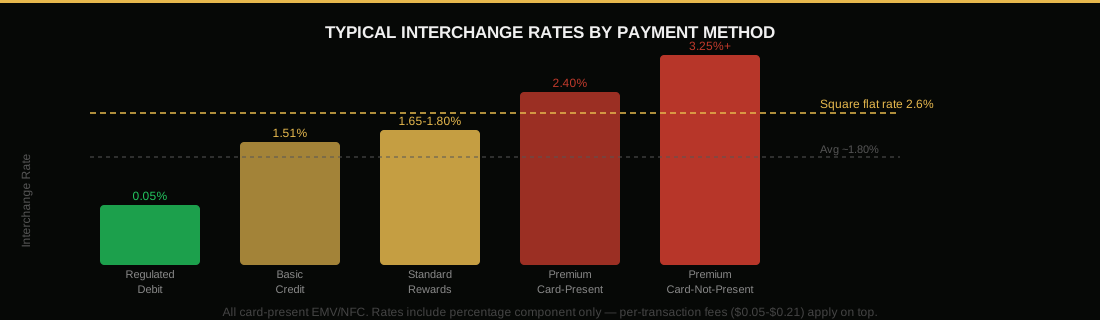
Keyed-in transactions: manually entering a card number at a physical terminal is treated like card-not-present, with higher rates and no fraud liability protection. Avoid this whenever possible.
What this means for your setup: if you're still on a swipe-only terminal, upgrading to a chip reader can reduce your rates and eliminate your liability for counterfeit fraud. The hardware cost is typically $50-$200 and pays for itself quickly.
Apple Pay and Google Pay acceptance: if your terminal supports NFC, you can accept these with zero additional setup. They use the same card rails as standard credit cards — you pay the same interchange you'd pay on the underlying card.
The bottom line: accept EMV and NFC payments everywhere you can. The combination of lower rates and lower fraud liability makes it a straightforward business decision.