
A chargeback isn't just a refund — it's a forced reversal initiated by the cardholder's bank, and it comes with fees, deadlines, and real consequences for your merchant account.
Understanding the chargeback process is essential for any business that accepts card payments.
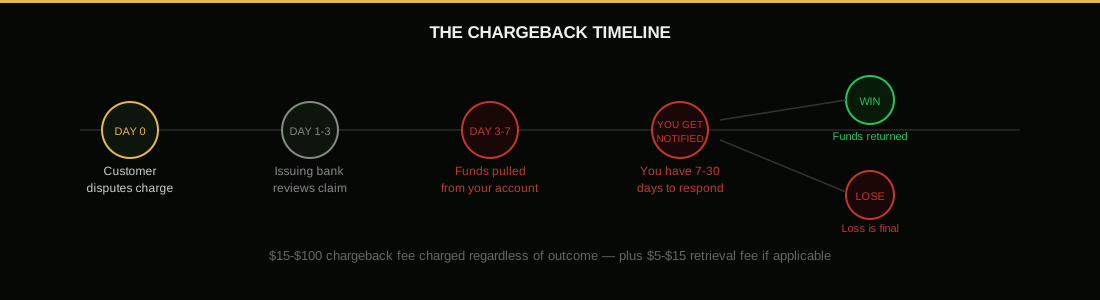
How chargebacks work: A customer contacts their bank and disputes a charge. The bank provisionally credits the customer and sends you a chargeback notification with a reason code. You have a limited window — typically 7 to 30 days — to respond with evidence. If you don't respond, you lose automatically.
Common reason codes: Fraudulent transaction (the most common), item not received, item not as described, duplicate processing, and credit not processed. The reason code tells you exactly what evidence you need to win.
For fraud chargebacks: your strongest evidence is an AVS match (billing address verified), CVV match, 3D Secure authentication, and signed delivery confirmation. If you have all four, you have a strong case.
For item not received disputes: provide tracking information with delivery confirmation, along with your shipping policy and any email communication with the customer.
For item not as described: provide photos of what was shipped, your product description at the time of purchase, and any communication where the customer acknowledged receipt.
What processors don't tell you: you can win chargebacks. The industry average win rate for merchants who respond is around 40%. But fewer than 40% of merchants actually respond to chargebacks, which means the banks win by default the majority of the time.
Chargeback thresholds matter: Visa and Mastercard monitor your chargeback ratio (chargebacks divided by transaction count). Exceeding 1% puts you in a monitoring program. Exceeding it significantly can result in your account being terminated and placement on the MATCH list, which makes it very difficult to get a new merchant account.
Prevention is better than fighting. Clear billing descriptors (so customers recognize the charge), easy refund policies, delivery confirmation on shipped goods, and 3D Secure for online transactions are your best tools for keeping chargebacks low.